

Search Engine Optimization Services
SEO is the process of increasing the quality and quantity traffic to a site via search engines. It is distinct from paid search because it focuses on non-paid traffic and does not rely on pay-per-click advertisements.
There are a variety of ways to optimize a website for SEO, but one of the most important is to create content that is relevant to search engine queries. This content will allow your website to get higher rankings on search engine result pages (SERPs) and increase the amount of organic traffic.
Keyword Research
Keyword research is the method where you identify the keywords people use to search online for products or services. It is an essential element of any SEO strategy as it allows you to discover new content opportunities and helps you increase the effectiveness of your paid and organic marketing campaigns.
Your organic SEO results can be significantly enhanced by selecting the most appropriate keywords. Without the proper balance of high-quality keywords campaign for SEO could result in less clicks, lower conversion rates, or even zero traffic.
A successful keyword strategy should be based on your specific business, your specific personas and your marketing goals. This requires careful research into your target audience's preferences for search and the keywords they're using now and how to engage them using a strategy for content that uses the keywords they are using in a thoughtful, meaningful way.
It is also important to map your keywords to the buyer’s journey. This is the way your customer will decide to purchase from you. This involves mapping your keyword research to both the top and middle of your funnel (MOFU), which shows the way people begin their journey to buy your product, and the bottom (BOFU) which is where they reach the decision stage and can make a decision.
You should target the topics and terms that are most important to your sales. If you don't get in front of potential customers before your competitors, you could be losing thousands of dollars in revenue.
Keyword research can be done with a variety free and paid tools, such as Ubersuggest or Moz. The best tools provide comprehensive information about your keywords, including the number of searches, the level of competition and average CPC. These tools also allow you to create lists of keyword ideas and compare them to competitors'.
On-Page Optimization
One of the most essential aspects of a well-planned search engine optimization strategy is on-page optimization. It involves optimizing a site for specific keywords in order to make it appear better in search results.
Google uses a variety of signals to assess a website's quality. These include the structure of the site, content user experience, as well as other aspects.
Creating content that is original, insightful, and in-depth is a crucial aspect of SEO on-page. This is important for both users and search engines.
Use keywords that are relevant for your subject when writing a blog post. The keywords should appear in your meta description, title, or title tag.
In addition to using keywords, it is recommended to include internal links that point to related pages on your website. This can help to allocate link equity to your site's most important pages and categories.
Another component of on-page SEO is a meta description that doesn't show on your page but is shown in the search engine result pages (SERPs). This is important for users and search engines, so it's worth the effort to write a meaningful and unique meta description for each page.
SEO on the web isn't a single thing. It's an ongoing process that needs to be continually upgraded and expanded to improve your site's exposure on search engines. This is why it's important to keep your current pages as well as your future ones up-to date with the most current SEO best practices.
Link Building
Link building refers to the process of creating inbound links to a site from other websites. This assists search engines in understanding the popularity of a website as well as how relevant it is to specific keywords.
The most important part of link building is to create high-quality content that will attract hyperlinks. This is a great way for your site to rank higher in search engines and increase traffic.
Creating content to build links isn't as hard as it might seem and there are plenty of ways to get started. It isn't easy to figure out the best strategy for your business and your SEO strategy.
This is one of the easiest ways to find out what your competitors are advertising. You can find this information easily with tools such as Ahrefs and Moz.
Once you've identified the most important content, you need to start reaching out to the right people. It could be as easy as reaching out to bloggers and asking for testimonials, or it can be more complicated.
You can also utilize an application such as SemRush to monitor your outreach. This will allow you to determine whether you're reaching the appropriate people, and also ensure that you aren't getting any leads.
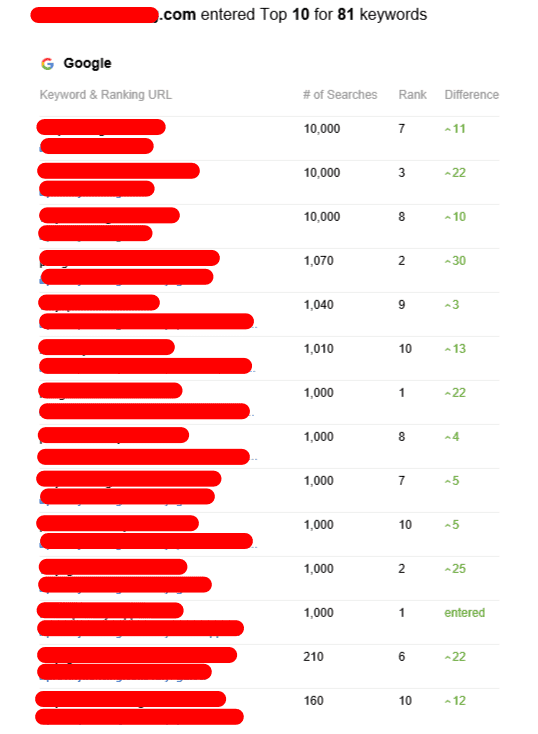
It is essential to keep your hard-earned and earned links intact. Losing links can be extremely frustrating as they send an "vote" to Google and can affect your rankings for related keywords.
There are a variety of factors that influence the number of links your site requires. The size of your link profile could also change over time. This is why it's essential to establish a target and establish a timeframe for your link building campaign.
Content Strategy
Content is at the center of SEO, as it reflects your brand's goals and addresses the demands of the users. search engine optimisation services is why it's essential to develop a strategy that incorporates SEO and content strategy for the best results.
For starters, take time to research your target market and identify subjects that are relevant to them. This will enable you to create unique content that speaks to the people you want to reach.
Once you've collected this information and have a good understanding of it, you can begin to research keywords. Utilizing SEO tools such as Ahrefs, Google's keyword tool SEMRush, or Ahrefs, can help you find relevant terms and words to incorporate into your content.
Optimize your content for search by optimizing your content with keywords. Use meta tags, heading tags to efficiently organize your posts, and simple URLs that clearly outline your article. You can also compress your videos and images to reduce their file sizes.
As search engines change their algorithms, it's important to keep abreast on new SEO news and best practices. This will allow you adapt your strategies to meet the current demands of the industry.
A great way to make sure that you're on the right track is to review your SEO content strategy each year. This will help you examine whether the strategies you used are still being utilized and if they're a success.
Implementing a well-planned content strategy can assist your website and its pages to be more prominent on search engine results page (SERP) and increase traffic to your site. It also helps you establish the authority of your domain and improve your conversion rate.
Conversion Rate Optimization
Conversion rate optimization is a scalable marketing strategy to increase the number of website users who take an action. Be it buying a product or clicking a link, signing up for newsletters, or simply spending more time on your website CRO can boost your bottom line.
It is a vital element of any successful search engine optimizing campaign. It will allow you to create a positive loop that generates profits. By combining targeted SEO strategies with CRO best practices and best practices, you can drive visitors to your most profitable pages and increase conversions so that visitors become customers.
Achieving a higher conversion rate for your website can help you maximize your return on investment (ROI) and help your marketing budgets work harder to land new customers. CRO can help increase your targeted consumer sign-ups to increase their engagement and purchases, regardless of whether your company is an e-commerce retailer.
The CRO process entails understanding the objectives of your website as well as the actions of users, and how you can help them reach these goals. It is an integral part of the funnel of conversion. It requires user feedback, analytics , and A/B tests in order to improve a website’s performance.
Shopping cart abandonment is an atypical problem with ecommerce sites. It happens when a buyer adds something to their digital shopping cart, and then goes to another site. By making improvements to checkout processes E-commerce companies can reduce the amount of abandoned orders and boost their profits.
In addition, a successful CRO plan helps you narrow your efforts and prioritize the most effective projects to optimize your website to maximize the return. To begin consider assessing your website's overall conversion rate and determine the most important goals to focus on.